
Exploring Knowledge, Attitudes, and Practices of Family Planning among Urban Residents in Bayelsa State, Nigeria: Identifying Barriers and Facilitators for Improved Reproductive Health
Article Information
Ebiakpor Bainkpo Agbedi1*, Mordecai Oweibia2
1Department of Planning, Research, and Statistics, Bayelsa State Primary Healthcare Board, Yenagoa, Nigeria
2Department of Public Health, Bayelsa Medical University, Yenagoa, Nigeria
Corresponding Author: Ebiakpor Bainkpo Agbedi, MPH, PhD, Department of Planning, Research, and Statistics, Bayelsa State Primary Healthcare Board, Yenagoa, Nigeria.
Received: 15 December 2025; Accepted: 22 December 2025; Published: 30 December 2025
Citation: Ebiakpor Bainkpo Agbedi, Mordecai Oweibia. Exploring Knowledge, Attitudes, and Practices of Family Planning among Urban Residents in Bayelsa State, Nigeria: Identifying Barriers and Facilitators for Improved Reproductive Health. Journal of Women’s Health and Development. 8 (2025): 75-98.
View / Download Pdf Share at FacebookAbstract
Background: Family planning was a critical aspect of reproductive health, significantly influencing maternal and child health outcomes. In Bayelsa State, Nigeria, urban residents faced unique barriers and facilitators in accessing family planning services, shaped by demographic, sociocultural, and economic factors.
Objective: This study aimed to explore the knowledge, attitudes, and practices of family planning among urban dwellers in Bayelsa State and to identify the barriers and facilitators influencing reproductive health outcomes.
Methods: A cross-sectional survey was conducted, utilizing a structured questionnaire administered to 482 urban residents across eight local government areas in Bayelsa State. The data were analyzed using descriptive and inferential statistics, including chi-square tests and logistic regression, to assess associations between demographic variables and family planning knowledge and utilization.
Results: The findings revealed significant gaps in knowledge about family planning methods, particularly among younger and unmarried individuals. Positive attitudes towards family planning were observed, with 81% of respondents expressing favourable views. However, barriers such as lack of information, financial constraints, and sociocultural stigma were prevalent. Logistic regression indicated that marital status, awareness of family planning methods, and perceived benefits were significant predictors of service utilization.
Conclusion: The study highlighted the need for targeted educational interventions and community engagement strategies to enhance awareness and acceptance of family planning among urban residents in Bayelsa State. Addressing identified barriers while leveraging facilitators was essential for improving reproductive health outcomes and achieving broader public health goals.
Keywords
Family planning; Urban health; Reproductive health; Knowledge; Attitudes; Barriers; Facilitators
Article Details
1. Introduction
1.1 Background
Family planning represented a multidimensional domain situated at the nexus of global health governance, national policies, health systems, and local realities, with Bayelsa State in Nigeria exemplifying how subnational contexts shaped access, uptake, and outcomes [1]. Across theoretical frames and empirical investigations, scholars described how global commitments to reproductive rights, method diversity, and universal access translated into national strategies [2], while subnational implementations reflected specific demographic, sociocultural, infrastructural, and governance realities that mediated the realization of global and national aims. Globally, family planning had been defined as a rights-based, voluntary, and comprehensive set of information, services, and supplies that enabled individuals and couples to decide if, when, and how many children to have [3-5]. International agencies, including the World Health Organization (WHO), UNFPA, and allied bodies, framed family planning within broader agendas of women’s empowerment, gender equality, maternal and child health, and sustainable development [6]. Evidence synthesized at the global level suggested that expanding the method mix, ensuring supply chain reliability, and delivering high-quality, person-centred care contributed to reductions in unmet need, lower fertility pressures in many settings, and improved health and educational outcomes for women and children [7]. Global discourses also emphasized integration with adolescent health and routine reproductive health care, alongside protections for informed choice, confidentiality, and freedom from coercion [10,11]. Nationally, Nigeria’s policy environment had aligned with these global norms by promoting increased contraceptive prevalence, expanded access to long-acting reversible contraceptives (LARCs), and targeted interventions for adolescents and rural communities [12,13]. Policy formulations and programmatic guidelines often sought to decentralize service delivery, strengthen primary health care, and mobilize partners, including non-governmental organizations and international donors, to address commodity security, workforce capacity, and demand generation. In practice, national frameworks encountered challenges such as budgetary constraints, political attention shifts, and tensions between rapid scale-up and maintaining quality of care, which in turn influenced the pace and equity of program implementation. Within Nigeria, Bayelsa State possessed distinctive demographic, geographic, and sociocultural characteristics that influenced the local family planning landscape. The state’s population was relatively young, with pronounced rural-urban gradients in service access, and pockets of both relatively strong health facilities and notable gaps in supply chains. Service delivery was distributed across primary health care facilities, general hospitals, and outreach programs, yet periodic stockouts of contraceptives, variable provider capacity, and differences in outreach reach across Local Government Areas created uneven access [14,15]. Cultural norms surrounding fertility, gender roles, and privacy affected acceptability and uptake, while literacy levels and health literacy shaped comprehension of counselling and information materials. Access to contraception in Bayelsa had been shaped by multiple interacting factors, including geographic dispersion of communities, transportation barriers, and the capacity of the health system to sustain commodity flows [16]. Public sector provision was often complemented by non-governmental organizations, international partners, and faith-based groups that supported service delivery, community outreach, and demand-generation activities [17]. Community health workers, midwives, and primary health care staff played pivotal roles in counselling, referral, and follow-up, with private-sector and informal providers contributing to method accessibility in some locales [18]. Adolescent reproductive health, postpartum family planning, and integration with maternal and child health services were areas of policy attention, albeit with mixed progress across LGAs and funding cycles. Measurement and evaluation challenges were evident in the Bayelsa context, where data quality, timeliness, and reliability varied by facility, LGA, and program cycle. Unmet need persisted for certain groups, including urban residents and adolescents, and sociocultural barriers continued to impede uptake despite available services. Efforts to strengthen supply chains, expand the cadre of trained providers, and diversify the method mix were described as essential, along with demand-generation activities that respected local norms and rights-based principles. In global perspective, family planning was termed a rights-based public health and development priority, while national discourse in Nigeria pursued increased access, method diversity, and integration with maternal, neonatal, and HIV services. Bayelsa State, with its unique geographic and sociocultural fabric, illustrated how subnational contexts could both enable and constrain the translation of global and national ambitions into tangible health outcomes. When global guidance was operationalized through context-sensitive policies, robust health systems, community engagement, and reliable supply chains in Bayelsa, improvements in contraceptive access, birth spacing, and reproductive health indicators were possible, contributing to broader development goals. The body of knowledge that exist on family planning among urban populations distinguished between how information about contraception and related services was transmitted and the substantive gaps in knowledge that persisted within these communities. Across empirical studies and syntheses, researchers described multiple information pathways, noted variability in credibility and reach, and identified recurrent knowledge deficiencies that constrained informed decision-making and sustained use. Evidence consistently indicated that frontline health workers operated as primary conduits of information in rural areas. Community health workers, nurses in primary care facilities, and village health volunteers frequently delivered counselling, clarified misconceptions, explained method options, and facilitated referrals to higher levels of care [19,20]. Outreach activities, including mobile clinics, community-based distribution, and door-to-door counselling campaigns, extended the reach of information to households in geographically dispersed or hard-to-reach settings [21]. These channels were commonly complemented by sector-supported demand-generation activities designed to raise awareness, reduce stigma, and promote voluntary uptake of services. Mass media emerged as a broad amplifier of messages, with local radio stations, regional newspapers, and, increasingly, mobile phone messaging disseminating information about contraceptive options, spacing benefits, and where to access services [7,22]. The effectiveness of mass media, however, depended on infrastructural constraints, literacy levels, language choices, and cultural resonance; messages that aligned with local norms and were delivered in local languages tended to achieve greater comprehension and recall. Schools and youth programs were recognized as potential venues for disseminating reproductive health information to adolescents and young adults, though the reach and impact of such programs varied according to curricular integration, teacher training, and community acceptance. Community and faith-based organizations were identified as influential actors whose endorsement or resistance could significantly shape information uptake; collaborations with trusted leaders sometimes enhanced credibility, while opposition from influential figures could suppress dialogue and deter service utilization [23]. Peer networks and partner influences were repeatedly highlighted as salient determinants of information exchange and decision-making. Information circulated through social interactions, personal experiences with side effects, and anecdotes about method reliability and access barriers, thereby shaping risk perceptions and preferences [24,25]. Knowledge gaps in urban dwellers were characterized as persistent and multifaceted. Misconceptions about contraception risks, fertility, and the health implications of spacing persisted in many settings and contributed to hesitancy, discontinuation, or delayed uptake. Awareness of the full range of available methods, their correct use, potential side effects, and suitability for specific life stages or health conditions was often incomplete, limiting informed choice and appropriate method switching. Gaps in knowledge tended to be unequal across subgroups defined by age, gender, education, and socioeconomic status. Younger adolescents and unmarried individuals frequently exhibited lower awareness of reproductive rights, available services, and confidentiality considerations, while some older urban residents maintained entrenched gender norms that constrained autonomy and decision-making. Literacy barriers and language diversity hindered comprehension of information materials, and limited numeracy affected understanding of dosing, timing, and eligibility criteria for certain methods [26,27]. Structural and system-level barriers further constrained knowledge diffusion. Geographic isolation, stockouts, inconsistencies in supply chains, and distrust of formal health systems impeded ongoing engagement with information and service providers. Sociocultural norms and stigma surrounding contraception, as well as partner opposition, particularly from male partners or elder family members, moderated both information uptake and subsequent actions [28]. Despite these challenges, effective information dissemination in urban settings with integrated approaches that combined reliable service delivery with accessible, culturally congruent communication, and active involvement of men, youth, and community leaders to shift norms and broaden support for voluntary use was key for service uptake. Strategies that emphasized autonomy, confidentiality, and informed consent were consistently linked to better knowledge outcomes and more sustained utilization of family planning services. Moreover, the attitudes toward family planning, gender dynamics, and educational attainment collectively shaped the uptake, continuation, and equity of contraceptive use. Across theoretical perspectives and empirical studies, researchers described how personal beliefs, cultural norms, and interpersonal relationships informed decisions about whether to use contraception, which methods to select, and how to negotiate spacing and number of children within intimate partnerships and communities. The review synthesized findings as a cohesive narrative in which attitudes, gender relations, and education were discussed as interrelated determinants of family planning behaviours and outcomes [29]. Regarding attitudes toward family planning, the scholars indicated that favourable attitudes were associated with higher likelihoods of accepting and continuing contraception, whereas negative or ambivalent attitudes correlated with hesitation, discontinuation, or covert use [30,31]. Positive attitudes often reflected perceived benefits such as improved health, economic stability, and the ability to pursue education and career goals, as well as trust in the safety and efficacy of methods. Conversely, concerns about side effects, perceived risks to fertility, moral or religious beliefs, and fears of social stigma frequently underpinned unfavourable attitudes [32]. Across settings, attitudes were dynamic and responsive to information quality, counselling experiences, peer influence, and the perceived autonomy of decision-making. Gender differences emerged as a persistent and nuanced pattern in family planning uptake. Women commonly bore primary responsibility for reproductive health decisions in many contexts, yet men frequently influenced or constrained those decisions through partner dynamics, cultural expectations, and household power structures. Some studies found that women exhibited greater receptivity to family planning when they perceived spousal support and when services respected confidentiality and autonomy; other work highlighted situations where women's autonomy was limited by male opposition or community norms. Men’s attitudes varied considerably: in some contexts, male approval facilitated uptake and shared decision-making, while in others, masculine norms and expectations around fertility led to resistance or coercive dynamics that undermined voluntary use. The literature underscored that gender-transformative approaches—programs aimed at reshaping harmful norms, promoting equitable decision-making, and engaging men as allies—had potential to improve attitudes and outcomes, though their effectiveness depended on culturally sensitive implementation and genuine community buy-in [33,34]. The impact of education on attitudes toward family planning and subsequent behaviours received substantial attention. Education, particularly female education and broader reproductive health literacy, consistently correlated with more favourable attitudes toward contraception, greater knowledge of available methods, and higher adoption and continuation rates. Education appeared to influence attitudes through multiple mechanisms: enhanced ability to appraise information, greater future orientation and planning, increased negotiation capacity within relationships, and alignment of reproductive goals with educational and economic opportunities. In many studies, higher levels of formal schooling or targeted reproductive health education were linked to reduced gender-based power imbalances in decision-making and greater autonomy in health choices. Education also interacted with social and cultural contexts; in some settings, even educated individuals faced normative barriers that tempered attitude shifts, while in others, education empowered communities to challenge stigmatizing beliefs and misinformation [35,36]. Programmatic implications drawn from scholars suggested that efforts to improve attitudes toward family planning should be multifaceted and sustained. Counselling that acknowledged individual concerns, presented balanced information about benefits and risks, and respected client autonomy tended to foster more positive attitudes and acceptance. Gender-sensitive interventions that involved both partners, addressed inequitable norms, and promoted joint decision-making demonstrated promise in enhancing attitudes and uptake, although success depended on local appropriateness and community engagement. Educational interventions—ranging from formal schooling to community-based and school-based reproductive health curricula—were viewed as critical levers for long-term attitudinal change, particularly when reinforced by service delivery that ensured quality, confidentiality, and respectful care. Across theoretical frameworks and empirical studies, researchers examined the contemporary landscape of family planning, highlighted how utilization varied across urban and rural settings and identifying the multifaceted factors that influenced individual and community practices. The narrative on how demographic, socioeconomic, cultural, and health-system determinants converged to shape contraceptive use, method choice, and continuity, while also acknowledging contextual shifts over time due to policy changes, program investments, and technological advancements were well noted. Current use of family planning was characterized by rising awareness and evolving method mix in many settings, accompanied by sizable disparities that favoured urban populations over rural ones. In urban areas, higher concentrations of health facilities, greater service availability, and better supply chains facilitated access to a broad range of contraceptives, including long-acting reversible contraceptives (LARCs). Urban residents tended to exhibit higher contraceptive prevalence, more regular method utilization, and greater continuity of use, underpinned by stronger exposure to health information, education, and social networks that supported informed decision-making. In contrast, rural areas often demonstrated lower levels of contraceptive use and greater reliance on short-acting methods, with more pronounced discontinuation and fluctuations in uptake over time. The gap between urban and rural populations was frequently attributed to geography, transportation barriers, weaker health infrastructure, stockouts, and limited availability of trained providers capable of delivering counselling and initiating a wider method mix. The demand-side factors; lower health literacy, educational attainment, and socioeconomic status, also contributed to disparities, as did sociocultural norms surrounding gender roles, fertility expectations, and perceptions of family planning within communities [30,37]. Across various literary contexts, the identified constellation of determinants that influenced family planning practice; individual-level factors such as age, parity, desire for children, knowledge of methods, perceived side effects, and autonomy in decision-making. Educational attainment, particularly female schooling, correlated with higher use and longer-term continuation, while wealth and urban residence often predicted higher access to services and a broader repertoire of acceptable methods. Household and partner dynamics played a critical role; in settings where men supported contraceptive use or where joint decision-making was normalized, uptake tended to be higher and more sustainable. Conversely, opposition from partners, or household constraints and fear of stigma, frequently impeded use, particularly among unmarried or young women. Looking at health system factors—service availability, quality of counselling, respect for privacy and confidentiality, and the presence of youth-friendly or gender-sensitive services—proved pivotal in shaping both initial uptake and continued use. Financing mechanisms, supply chain reliability, and integration with maternal and child health and other services also affected accessibility and perceptions of safety and legitimacy. Policy and programmatic environments influenced current patterns of use through subsidized or free services, outreach campaigns, and information dissemination. Where programs prioritized method variety, client-centred counselling, community engagement and uptake tended to improve but yet disparities persisted when interventions failed to reach remote communities and marginalized groups, or adolescents. Media campaigns, school-based education, and community mobilization complemented facility-based services by raising awareness, reducing myths, and fostering supportive norms even though their impact depended on cultural relevance, language, and trust in sources. In alignment with other studies, the current state of knowledge depicted family planning use as unevenly distributed across urban and rural settings, with urban areas enjoying higher prevalence, broader method choice, and greater system support, while rural areas faced persistent barriers tied to geography, service quality, and social norms. The literatures suggested that improving uptake and equity required integrated interventions that expanded method availability, ensured high-quality and confidential care, engaged men and communities, and prioritized education and empowerment, particularly for women and adolescents. In Bayelsa State, urban residents faced a constellation of barriers to accessing and sustaining use of family planning services, driven by intertwined challenges related to child upbringing, empowerment, job and career pressures, educational pursuits, and economic considerations. The narrative that followed these descriptions was how these factors interacted to shape decision-making, access, and continuity of contraceptive use in past contexts. Across the individual dimension, mothers and prospective users wrestled with time constraints imposed by child-rearing responsibilities, which limited opportunities to seek care, attend counselling, or follow through with method initiation and continuation. The caregiving burden often outweighed perceived benefits of pursuing contraception, particularly for those with larger households or limited social support [38]. At the same time, women’s empowerment levels influenced autonomous decision-making; limited agency within intimate partnerships, dependence on spousal approval, and gender norms that prioritized male oversight constrained method choice, timely initiation, and adherence to prescribed regimens. Educational aspirations and career development emerged as salient considerations. Many urban residents pursued higher education or sought skills training, which reoriented priorities toward long-term career planning while potentially delaying childbearing. For some, this alignment between educational/professional trajectories and reproductive goals created tension: desires to space births or limit family size collided with perceived or actual constraints on time, transportation, and access to discreet, youth-friendly services that accommodated busy schedules. Economic factors underpinned many service-use decisions. Direct costs—consultations, method procurement, follow-up visits—and indirect costs such as transportation, childcare during clinic trips, and lost wages weighed heavily, even in settings with subsidized or publicly funded options. In households facing economic volatility, prioritization often favoured immediate financial obligations over preventive health services, reducing uptake and continuity of use. Interpersonal and relational dynamics intertwined with these economic and educational considerations. Partners’ attitudes toward family planning and fertility timing influenced whether individuals could act on reproductive intentions when school, work, or caregiving demands competed for attention. Communication challenges within couples, including asymmetries in decision-making power and limited spousal dialogue about contraception, frequently impeded timely access to services or led to discreet or inconsistent use. Community and sociocultural contexts, shaped by urban norms and expectations, reinforced barriers. Stigma surrounding contraceptive use—particularly among unmarried individuals or those pursuing education or career ambitions—together with fears about privacy in crowded clinics, discouraged some from seeking services or from discussing contraception with peers and family. Religious and cultural narratives prevalent in urban neighbourhoods sometimes portrayed family planning as misaligned with moral or familial duties, influencing attitudes and uptake even in settings with abundant service points. Health system barriers compounded these challenges. Stockouts, limited method mix, and insufficient availability of youth- and gender-sensitive providers undermined confidence in the health system’s capacity to support varied life circumstances, including those tied to education and employment. Counselling often lacked customization to individuals’ life courses, failing to address how ongoing schooling, job schedules, or caregiving responsibilities could intersect with contraceptive use. Operating hours that conflicted with work or class schedules, long wait times, and concerns about confidentiality persisted as practical obstacles, particularly for urban residents balancing multiple roles. While some subsidies existed, out-of-pocket expenses for ancillary services and materials remained burdensome for economically constrained individuals. Policy and governance dimensions frames at times, intensified these barriers. Inadequate attention in urban-ready family planning policies to the needs of students, early-career professionals, or economically vulnerable residents limited targeted outreach and tailored service design. Procurement delays, funding fluctuations, and bureaucratic processes hindered consistent supply delivery and the expansion of flexible service options aligned with busy lives. Data gaps and weak feedback loops impeded timely adjustments to programs designed to accommodate the evolving life trajectories of urban residents, including shifts in educational enrolment and employment patterns. Implications for practice and policy from this historical perspective highlighted the necessity of multi-faceted approaches. Integrated strategies that accounted for child-rearing realities, empowered individuals through choice and control, and synchronized service delivery with work, study, and caregiving schedules were more likely to enhance uptake and continuity. Expanding evening and weekend clinic hours, offering discreet, youth-friendly, and culturally competent counselling, ensuring diverse method availability, and reducing both direct and indirect costs were identified as critical levers. Strengthening partner engagement—while safeguarding autonomy—alongside community-based outreach and privacy-preserving clinic designs emerged as essential components of an effective urban family planning response in Bayelsa State. Facilitators, conversely, were identified as enabling mechanisms that supported decision-making and sustained use. Proximity to services, mobile outreach, and community-based distribution models reduced physical and logistical barriers, while the presence of subsidized or free services and improved supply chains increased affordability and availability. A diverse and acceptable method mix, including long-acting reversible contraceptives, enhanced choice and satisfaction, leading to higher uptake and continuation. Interventions that improved health literacy, delivered culturally appropriate counselling, and respected patient autonomy and confidentiality tended to foster trust and acceptance. Community engagement strategies—engaging religious and community leaders, male partners, and women's groups—helped shift norms and reduce stigma, thereby increasing acceptance of contraception. Education, particularly female education and reproductive health education, consistently emerged as a downstream facilitator by enhancing knowledge, future orientation, and negotiation capacity within relationships. Health system strengthening, with trained frontline workers, youth-friendly services, and respectful care, also facilitated use through improved experiences and perceived safety. Policy-level facilitators included supportive financing, subsidies, and targeted campaigns that addressed specific urban barriers while ensuring equity and rights-based care [7]. Across study designs, researchers highlighted the importance of contextual tailoring. In some communities, aligning messages with local beliefs and using local languages improved comprehension and credibility, while in others, engaging men and elders was critical to secure buy-in and reduce resistance. In summary, barriers and facilitators coexisted and interacted in shaping family planning outcomes among urban dwellers. The literatures implied that effective programs required integrated strategies that expanded method availability, ensured supply reliability, delivered respectful and confidential counselling, and engaged communities to transform norms around gender, fertility, and health-seeking behaviours. When programs addressed both supply- and demand-side constraints and prioritized autonomy, equity, and culturally resonant approaches, urban population experiences improvement in knowledge, acceptance, and sustained use of contraception.
1.2 Statement of the problem
In examining the statement of the problem regarding family planning in urban settings, particularly within the context of Bayelsa State, Nigeria, it became evident that multiple interrelated factors contributed to the challenges faced by urban residents in accessing and utilizing family planning services. Prior studies highlighted that the urban population in Bayelsa exhibited significant gaps in knowledge about contraceptive methods, which were exacerbated by sociocultural norms and misconceptions regarding the implications of family planning on fertility and health. These knowledge deficiencies were often linked to lower health literacy levels among specific subgroups, including younger adolescents and unmarried individuals, who frequently grappled with a lack of awareness about reproductive rights and available services. Moreover, the review underscored that structural barriers—including geographic dispersion of communities, transportation difficulties, and inconsistent supply chains—further impeded access to contraceptive options. Despite Bayelsa's urban setting ostensibly offering greater proximity to health facilities, the reality was marked by irregular stockouts of contraceptives and variable service quality, which contributed to an environment of uncertainty and hesitancy surrounding family planning. The interplay of gender dynamics also emerged as a crucial element of the problem statement. In many instances, women bore the primary responsibility for reproductive health decisions, yet their autonomy was frequently constrained by male partners' attitudes and prevailing cultural expectations. Such dynamics limited women's ability to access and utilize family planning services effectively, as they often relied on spousal support or faced opposition from influential family members. The review noted that men's involvement in family planning decisions varied widely, with some men facilitating uptake while others perpetuated resistance and coercive dynamics. Furthermore, the economic context of urban residents played a pivotal role in shaping family planning practices. Financial constraints, both direct and indirect, influenced decisions about seeking care, with many individuals prioritizing immediate economic needs over preventive health services. This economic volatility often compounded the challenges faced by urban residents, particularly those pursuing educational or career opportunities, who simultaneously navigated the demands of child-rearing responsibilities. Overall, the review illuminated how a confluence of demographic, sociocultural, economic, and health system factors shaped the family planning landscape in urban Bayelsa State. Despite the potential for improved access in urban areas, the persistence of knowledge gaps, gendered power dynamics, economic pressures, and systemic barriers underscored the urgent need for targeted interventions that could effectively address these challenges and enhance the uptake and continuity of family planning services among urban populations.
1.3 General Objective
To explore the knowledge, attitudes, and practices of family planning among urban dwellers in Bayelsa State, Nigeria, and to identify the barriers and facilitators that influence reproductive health outcomes in these communities.
1.4 Specific Objectives
- To assess the level of knowledge about family planning methods and services among urban dwellers in Bayelsa State.
- To evaluate the attitudes towards family planning and contraceptive use among different demographic groups within the urban population.
- To identify the specific barriers (geographic, systemic, sociocultural, economic, and informational) that hinder access to and uptake of family planning services in urban areas of Bayelsa State.
- To explore the facilitators that enhance the acceptance and sustained use of family planning methods among urban residents.
- To examine the role of community engagement and local leadership in shaping attitudes towards family planning and improving service utilization in urban communities.
- To provide recommendations for tailored interventions that address identified barriers and leverage facilitators to improve family planning outcomes in urban population of Bayelsa State.
1.5 Significance of the study
The significance of the study was underscored by its focus on family planning within urban settings in Bayelsa State, Nigeria, where unique demographic, sociocultural, and infrastructural characteristics shaped reproductive health outcomes. By exploring the knowledge, attitudes, and practices of urban residents, the study highlighted critical barriers and facilitators that influenced access to and utilization of family planning services. Given the rapid urbanization and the relatively young population in Bayelsa, understanding these dynamics was paramount for informing targeted interventions that addressed the specific needs of this demographic. The study provided empirical evidence that illuminated the disparities in family planning awareness and usage between urban and rural populations, emphasizing how urban residents often faced distinct challenges, such as transportation barriers and socio-cultural norms that could inhibit contraceptive uptake. Moreover, the research contributed to the body of knowledge on reproductive health by identifying the interplay between education, gender dynamics, and socioeconomic factors in shaping family planning behaviours. It revealed that while urban areas tended to have better access to health facilities and information, persistent knowledge gaps and sociocultural stigmas still constrained the effective use of available services. By examining the role of community engagement and the influence of male partners on women's reproductive choices, the study underscored the importance of integrating gender-sensitive approaches in family planning programs. The findings also had significant implications for policy and practice, suggesting that tailored interventions that considered the unique lifestyles and aspirations of urban residents could enhance service uptake and continuity. By advocating for flexible service delivery models, improved health literacy, and community involvement, the study offered actionable insights for stakeholders aiming to optimize family planning outcomes in urban settings. Ultimately, the research signalled a critical step towards addressing unmet needs in reproductive health and advancing broader public health goals in the context of Bayelsa State, thereby supporting the achievement of national and global commitments to reproductive rights and health equity.
1.6 Scope of the study
The scope of this study encompasses the following key areas:
- Target Population: The study focused specifically on urban residents in Bayelsa State, Nigeria, thereby providing insights into the unique challenges and facilitators experienced by this demographic in relation to family planning.
- Knowledge, Attitudes, and Practices: The research examined the level of knowledge about family planning methods and services, attitudes towards contraceptive use, and the actual practices regarding family planning among various demographic groups within the urban population.
- Barriers and Facilitators: The study identified and analysed the multifaceted barriers (geographic, systemic, sociocultural, economic, and informational) that hindered access to and uptake of family planning services, as well as the facilitators that enhanced acceptance and sustained use of these methods.
- Community Engagement: The role of community engagement and local leadership in shaping attitudes towards family planning and improving service utilization was explored, highlighted the importance of local context in reproductive health initiatives.
- Recommendations: Based on the findings, the study aims to provide tailored recommendations for interventions that address identified barriers and leverage facilitators to improve family planning outcomes in urban population of Bayelsa State.
1.7 Limitations of the study
The study acknowledges several limitations that might affect the generalizability and interpretation of the findings:
- Geographic Focus: The study was limited to urban areas within Bayelsa State, which might not be representative of rural populations or other regions in Nigeria or beyond. As such, findings may not be applicable to urban settings with different demographic and sociocultural dynamics.
- Cross-Sectional Design: The research employed a cross-sectional design, capturing data at a single point in time. This limits the ability to infer causality or observe changes in knowledge, attitudes, and practices over time.
- Self-Reported Data: The study relied on self-reported data from participants, which might be subject to biases such as social desirability bias or recall bias. Participants might underreport or overreport their knowledge, attitudes, and practices regarding family planning.
- Cultural Sensitivity: Cultural norms and beliefs surrounding family planning might influence participants' responses, particularly regarding sensitive topics like contraceptive use. This cultural context might limit honest and open discussions.
- Limited Scope of Variables: While the study examines multiple factors influencing family planning, there might be other unmeasured variables or contextual factors that could also play a significant role in shaping reproductive health outcomes.
- Language and Literacy Barriers: The study might encounter challenges related to language barriers or varying levels of literacy among participants, which could affect comprehension of survey instruments and the accuracy of responses.
- Temporal Context: The findings are contextual to the specific timeframe of the study; shifts in policy, community dynamics, or external factors such as economic conditions might impact the relevance of the results over time.
- By acknowledging these limitations, the study aims to provide a nuanced interpretation of the findings and encourage further research to address identified gaps and broaden understanding of family planning in diverse contexts.
2. Methods
2.1 Study design
This study employed a cross-sectional survey design to explore the knowledge, attitudes, and practices of family planning among urban dwellers in Bayelsa State, Nigeria. Data collection was conducted using a structured questionnaire that was designed to capture a comprehensive range of information regarding participants’ awareness of family planning methods, their attitudes toward contraceptive use, and their actual practices related to family planning. The study targeted the urban population across the eight local government areas (LGAs) of Bayelsa State. A multi-stage sampling technique was utilized to ensure a representative sample of the urban residents. Initially, the eight LGAs were selected, followed by the random selection of communities within each LGA. Subsequently, households within these communities were sampled, and eligible participants were approached for inclusion in the study.
2.2 Study area
Bayelsa State is located in the southern part of Nigeria, in the Niger-Delta region. It is bordered by Rivers State to the West and Delta State to the East with a long span of Atlantic Ocean at the south. The capital city is Yenagoa. Bayelsa has a population of about 2,537,400 with a landscape area of 9,391 km2 (NPC, 2022). Demographic data for Bayelsa State indicates that most of the population belongs to the Ijaw ethnic group, which is the dominant ethnic group in the state. Other minority ethnic groups include the Ogbia, Nembe, and Epie-Atissa. The main languages spoken in Bayelsa State are Ijaw, Epie-Attisa, Isoko, Urhobo and English. Bayelsa State has a predominantly Christian population, with Christianity being the major religion practiced in the state. However, there are also adherents of other religions, including traditional Africans religions and Islam. The economy of Bayelsa State is predominantly petroleum resources, as the state is in the oil-rich Niger Delta region. Bayelsa has one of the largest crude oil and natural gas deposits in Nigeria, with the Oloibiri Oilfield being the site of the country’s first oil discovery. Other mineral raw materials found in the state include salt, agro raw materials include cassava, plantain, rice, and fish.
2.3 Study population
The study population for this research comprised of urban dwellers in Bayelsa State, Nigeria. This demographic was selected due to the higher density of the population residing in urban communities within the state. The participants included individuals and couples from various age groups, educational backgrounds, and socioeconomic statuses, reflecting the diverse cultural and social fabric of the area. This choice was particularly relevant, as urban communities often face unique challenges and barriers related to family planning that differ significantly from those encountered in rural settings. The study aimed to gather insights directly from these individuals to better understand their knowledge, attitudes, and practices regarding family planning, as well as the specific facilitators and barriers they experienced in accessing reproductive health services. By focusing on this population, the research sought to contribute valuable context-specific findings that could inform the development of tailored interventions aimed at improving family planning outcomes in similar urban environments.
2.4 Sample size determination
To calculate the sample size for the study on family planning among urban dwellers in Bayelsa State, Nigeria, we used a formula suitable for unknown population sizes. Given that the population size was unknown, we applied Cochran's formula for sample size estimation. The formula is as follows:

Where:
no = required sample size
Z = Z-value (the number of standard deviations from the mean for a given confidence level)
p = estimated proportion
E = margin of error
Given:
p = 0.5 (5%)
Z = 1.96 (confidence interval of 95%)
E = 0.05 (margin of error of 5%)
Calculation:
Using the assumed margin of error of 0.05, we can calculate the sample size:
Substitute the values into the formula:
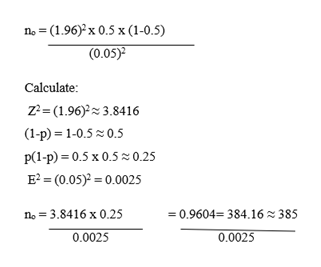
Adjust for non-responses:
To account for a potential non-response rate, we added an additional 20% to the initial sample size. The adjusted sample size can be calculated as follows:
n = no ÷ (1- non-response rate)
Where the non-response rate is 20% or 0.20.
no = 385 ÷ (1 - 0.20) = 385 ÷ 0.80 = 481.25
Again, rounding up to the nearest whole number:
no = 482
Thus, the final sample size calculated for the study was 482 participants, which included an adjustment for a 20% non-response rate.
2.5 Sampling technique
For this study, a multi-stage sampling technique was employed to ensure a representative sample of the urban population across the eight local government areas in Bayelsa State. Initially, the eight local government areas were selected based on their demographic and geographic diversity. Subsequently, within each local government area, a stratified sampling approach was used to identify specific communities that reflected varying characteristics such as socioeconomic status, accessibility to health facilities, and cultural norms related to family planning. Once the communities were selected, random sampling was utilized to choose households within each community. A structured questionnaire was then administered to eligible participants in these households, ensuring that a diverse range of individuals were included in the study. The selection criteria for participants involved aged 15 years and above who were residents of the chosen households. This approach facilitated the collection of comprehensive data on knowledge, attitudes, and practices regarding family planning among urban dwellers. The final sample encompassed a broad cross-section of the urban population, allowing for an in-depth analysis of the barriers and facilitators influencing family planning in the state. The use of a structured questionnaire ensured consistency in data collection, enabling the researchers to gather quantitative data effectively across the eight local government areas.
2.6 Selection criteria
Inclusion Criteria:
- Individuals aged between 15 to 60 years and above were included in the study.
- Participants who resided in urban areas of Bayelsa State were included.
- Individuals who provided informed consent to participate in the study were included.
- Participants who had knowledge of or experience with family planning methods and services were included.
Exclusion Criteria:
- Individuals below the age of 15 were excluded from the study.
- Participants who resided in rural areas were excluded.
- Individuals who did not provide informed consent were excluded.
2.7 Data collection
Data collection for this study was conducted using a structured questionnaire developed and administered through the KoboToolbox platform. The questionnaire was designed to gather comprehensive information on the knowledge, attitudes, and practices regarding family planning among urban dwellers in Bayelsa State, Nigeria. The development of the questionnaire involved several key steps. Initially, a literature review was conducted to identify relevant variables and themes related to family planning. Based on this review, a draft questionnaire was created, encompassing sections on demographic information, knowledge of family planning methods, attitudes towards contraceptive use, identified barriers, and facilitators influencing family planning uptake. Once the draft was prepared, it underwent a validation process, which included feedback from experts in reproductive health and local stakeholders to ensure cultural relevance and clarity of language. After making necessary revisions, the final version of the questionnaire was uploaded to the KoboToolbox platform. Training sessions were conducted for data collectors to familiarize them with the KoboToolbox interface and the specific content of the questionnaire. Data collectors were instructed on ethical considerations, including informed consent and confidentiality, ensuring that all participants understood the purpose of the study and their right to withdraw at any given time without consequence. Data collection occurred over a defined period, during which trained enumerators administered the questionnaire to participants in various urban communities across Bayelsa State. The structured format allowed for standardized responses, which facilitated the quantitative analysis of the data collected. The use of KoboToolbox enabled real-time data entry and monitoring, enhancing the efficiency and accuracy of the data collection process. Upon completion of data collection, the gathered information was exported from the KoboToolbox platform for subsequent analysis. This method ensured a systematic approach to capturing the diverse perspectives of urban dwellers regarding family planning, contributing valuable insights to the study.
2.8 Validity and reliability test for the study
To ensure the validity and reliability of the study, several steps were undertaken during the research process.
2.8.1 Validity
Content Validity: The research instrument was developed based on a thorough review of existing literature on family planning and reproductive health. Expert opinions from professionals in the field were sought to evaluate the relevance and comprehensiveness of the questionnaire items. Feedback was incorporated to enhance the content validity, ensuring that the instrument accurately reflected the constructs of knowledge, attitudes, practices, barriers, and facilitators related to family planning.
Construct Validity: The study employed factor analysis to assess the underlying structure of the data collected. This method helped to confirm that the items grouped together reflected the intended constructs, such as knowledge about family planning methods and attitudes toward contraceptive use. The results supported the theoretical framework guiding the research, indicating that the measures used were valid representations of the concepts being studied.
Criterion Validity: To establish criterion validity, the results of the survey were compared with existing data from reputable sources, such as health records and previous studies conducted in similar contexts. This comparison demonstrated a correlation between the survey responses and established benchmarks, further validating the accuracy of the measures used.
2.8.2 Reliability
Internal Consistency: The reliability of the instrument was assessed using Cronbach's alpha, which measured the internal consistency of the items within each scale. A Cronbach's alpha coefficient of 0.70 or higher was considered acceptable, and the analyses revealed that all scales met this threshold, indicating that the items consistently measured the same construct.
Test-Retest Reliability: A subset of participants was surveyed twice over a two-week interval to evaluate the stability of the responses. The correlation between the two sets of responses was analyzed, and a high correlation coefficient indicated that the instrument yielded stable results over time.
By implementing these validity and reliability tests, the study ensured that the findings were credible and could be confidently utilized to draw conclusions about the knowledge, attitudes, and practices of family planning among urban dwellers in Bayelsa State, Nigeria.
2.9 Data management and analysis
The data management and analysis process was executed using a combination of software tools, including SPSS version 23, Microsoft Excel, XLMiner Analysis ToolPak, and Mendeley Reference Manager. Initially, data collection was undertaken through structured surveys administered to participants in urban areas of Bayelsa State. Once the data were gathered, they were entered into Microsoft Excel for preliminary organization and cleaning. This involved checking for inconsistencies, missing values, and outliers to ensure data integrity. Subsequently, the cleaned dataset was imported into SPSS version 23 for detailed statistical analysis. Descriptive statistics, including means, medians, and frequencies, were calculated to summarize the participants' knowledge, attitudes, and practices regarding family planning. Inferential statistical tests, such as chi-square tests and ANOVA, were performed to examine the relationships between demographic variables and family planning outcomes, providing insights into the factors influencing reproductive health behaviours. To further analyzed specific trends and patterns in the data, the XLMiner Analysis ToolPak was utilized. This tool enabled the application of advanced analytical techniques, including regression analysis, to identify predictors of family planning uptake among urban dwellers. The findings from these analyses were systematically documented. Throughout the research process, Mendeley Reference Manager was employed to manage and organize the bibliographic data and references. This facilitated easy access to relevant literature and ensured proper citation of sources in the final report. In summary, the data management and analysis were conducted in a structured manner, utilizing the capabilities of each software tool to enhance the quality and rigour of the research findings. The integration of these tools allowed for a comprehensive analysis of the barriers and facilitators influencing family planning among urban populations in Bayelsa State.
The quantitative data from the study on knowledge, attitude, and practices in family planning among urban dwellers was analyzed using the following step-by-step approach:
Data Collection: Researchers administered the questionnaire through data enumerators to the target population in urban areas. Participants completed the questionnaires, and the data was collected for analysis.
Data Entry: The responses were entered into a statistical software program, such as SPSS and Microsoft Excel. Each response was coded for easier analysis, with numerical values assigned to categorical responses.
Data Cleaning: The dataset was reviewed for any inconsistencies or errors. Researchers checked for missing values, outliers, and any discrepancies in the data entry process. Corrections were made as necessary to ensure data integrity.
Descriptive Statistics: Basic descriptive statistics were calculated to provide an overview of the demographic characteristics of the respondents. This included frequencies and percentages for variables such as age, gender, marital status, education level, and occupation.
Knowledge Analysis: The level of knowledge regarding family planning methods was assessed by calculating the proportion of respondents who were aware of various methods. This included identifying the most recognized methods and the sources of information about family planning.
Attitude Assessment: Researchers analyzed the attitudes towards family planning by examining the responses to related questions. Mean scores and standard deviations were calculated for attitudes towards family planning, including perceived benefits and community acceptability.
Practice Evaluation: The data on family planning practices was analyzed to determine the percentage of respondents currently using any family planning method. Further analysis was conducted to identify the specific methods being used.
Barriers Identification: The barriers to accessing family planning services were identified by analysing the responses to the relevant questions. Frequencies and percentages were calculated for each barrier indicated by the respondents.
Facilitators Analysis: The factors that could encourage more effective use of family planning methods were also analyzed. Researchers calculated the frequencies of suggested facilitators to understand community needs better.
Inferential Statistics: To assess relationships between variables, inferential statistical techniques were applied. Chi-square tests were conducted to evaluate associations between categorical variables, such as gender and attitudes towards contraception. Additionally, ANOVA were used to compare means across different demographic groups.
Regression Analysis: Multivariate regression analysis was performed to identify predictors of family planning practices. Independent variables included demographic factors, knowledge levels, and attitudes. This analysis helped to determine which factors significantly influenced the likelihood of using family planning methods.
Interpretation of Results: The analyzed data was interpreted in the context of existing literature on family planning. Researchers discussed the findings, highlighted key insights and implications for family planning programs in urban settings.
By following these steps, the researchers successfully analyzed the quantitative data from the study, providing valuable insights into the knowledge, attitudes, and practices of family planning among urban dwellers.
2.10 Timeline for this study
Research Planning and Proposal Development (June - July 2025)
In June 2025, the research team initiated the planning phase, during which they outlined the objectives, methodology, and study design. By the end of July 2025, the proposal was developed, incorporating feedback from stakeholders and experts.
Ethical Approval (August 2025)
In August 2025, the research team submitted the proposal to the Ethics Committee, Bayelsa State Primary Health Care Board. By the end of the month, they received ethical approval to proceed with the study with reference number PHCB/AD/126/Vol.1/p.35.
Data Collection Preparation (September 2025)
In September 2025, the team focused on preparing for data collection. This involved training data enumerators, finalizing the questionnaire, and ensuring all necessary materials were ready for fieldwork.
Data Collection (First Week of October to Second Week of November 2025)
Data collection commenced in the first week of October 2025 through November 2025 and continued and end in second week of November 2025. Enumerators conducted interviews and gathered data from participants in the urban settings during this period.
Report Writing and Dissemination of Findings (Second Week of November to December 2025)
Following the completion of data collection in the second week of November 2025, the research team began drafting the report in the third week. They analyzed the data and compiled findings, which were disseminated to stakeholders and the community by December 2025.
2.11 Ethical considerations
Institutional Consent and Approval from Ethics Committee: Prior to initiating the study, approval was obtained from the Ethics Committee, Bayelsa State Primary Health Care Board, ensuring that the research adhered to ethical standards and guidelines. The reference number for this approval was PHCB/AD/126/Vol.1/p.35. This step was crucial in validating the study's methodology and ensuring the protection of participants' rights.
Community Consent: The researchers engaged with community leaders and stakeholders to secure community consent. This process involved discussions that highlighted the study's purpose, potential impacts, and benefits for the community. By obtaining community consent, the researchers aimed to foster trust and support for the study within the urban setting.
Individual Consent: Individual informed consent was sought from each participant prior to their involvement in the study. Participants were provided with comprehensive information regarding the nature of the research, their rights to confidentiality, and the option to withdraw at any given time without any negative consequences. This approach ensured that individuals made voluntary and informed decisions about their participation in the study.
3. Results
The demographic characteristics of the respondents, as presented in Table 1, provided a comprehensive overview of the sample population comprising 430 individuals. The age distribution indicated a varied representation, with the largest proportion of respondents, 154 (32%), falling within the 25-34 years age bracket. The second-largest group was those aged 35-44 years, accounting for 135 (28%) of the participants. Younger individuals aged 15-24 years represented 112 (23%), while older age groups showed a decline in representation, with only 65 (14%) of respondents between 45-59 years and a minimal 16 (3%) aged 60 years and above. In terms of gender, the sample exhibited a predominant female representation, with 313 (65%) of respondents identifying as female, compared to 169 (35%) who identified as male. Marital status revealed that over half of the respondents, 249 (52%), were married, indicating a significant proportion of individuals in stable relationships. Single respondents comprised 145 (30%), while cohabiting individuals accounted for 34 (7%). Additionally, 35 (7%) of the participants were separated or divorced, and 19 (4%) identified as widows, reflecting a diverse range of marital experiences within the sample. The educational level of respondents demonstrated a noteworthy trend, with 232 (48%) having completed secondary education and 208 (43%) attaining tertiary education. Only 11 (2%) of participants reported having no formal education, and 31 (7%) had completed primary education. Finally, the occupational status of the respondents illustrated a mix of employment types. The largest segment, 226 (47%), identified as self-employed, while 139 (29%) reported being gainfully employed. Conversely, 117 (24%) of respondents were unemployed, highlighting potential economic challenges faced by a notable portion of the population. Overall, the demographic characteristics outlined in Table 1 provided valuable insights into the sample's diversity in terms of age, gender, marital status, educational attainment, and employment status, which could be critical for understanding the context of the study's findings.
|
Variable |
Category |
Frequency (n=430) |
Percent (%) |
|
Age |
15-24 years |
112 |
23% |
|
25-34 years |
154 |
32% |
|
|
35-44 years |
135 |
28% |
|
|
45-59 years |
65 |
14% |
|
|
60 years and above |
16 |
3% |
|
|
Gender |
Male |
169 |
35% |
|
Female |
313 |
65% |
|
|
Marital status |
Cohabiting |
34 |
7% |
|
Married |
249 |
52% |
|
|
Separated/Divorce |
35 |
7% |
|
|
Single |
145 |
30% |
|
|
Widow |
19 |
4% |
|
|
Educational level |
No formal education |
11 |
2% |
|
Primary education |
31 |
7% |
|
|
Secondary education |
232 |
48% |
|
|
Tertiary education |
208 |
43% |
|
|
Occupation |
Gainfully employed |
139 |
29% |
|
Self-employed |
226 |
47% |
|
|
Unemployed |
117 |
24% |
Table 1: Demographic characteristics of respondents.
In an analysis of the data presented in Tables 2, 3, 4, the knowledge of respondents regarding family planning services revealed significant insights into both the familiarity with various contraceptive methods and the sources of information that influenced their understanding. Table 2 illustrated the respondents' knowledge of various family planning methods. The most recognized method was the condom, with 352 (24%) respondents indicating awareness of this contraceptive option. Oral pills followed closely, acknowledged by 300 (20%) respondents. Injectables and implants were also well-known, with frequencies of 246 (17%) and 238 (16%), respectively. In contrast, traditional methods, such as withdrawal and rhythm, were less recognized, with only 88 (6%) respondents reporting knowledge of these techniques. Less common methods, included diaphragms or cervical rings 44 (3%), contraceptive patches 37 (3%), and sterilization 22 (2%), demonstrated a lower level of awareness among the participants, indicating potential gaps in knowledge regarding these alternatives. Table 3 provided insights into the sources of information that respondents relied upon for family planning services. A significant proportion of respondents reported that friends numbered 340 (30%) and health care workers 338 (30%) were their primary sources of information, highlighting the importance of peer support and professional guidance in the dissemination of knowledge about family planning. Television, radio, and social media emerged as substantial channels as well, with 301 (27%) respondents using these platforms for information. Family members and community members were less influential, accounting for only 96 (8%) and 60 (5%) of the sources, respectively. This distribution of information sources underscored the critical role that both personal and professional networks play in educating individuals about family planning options. Table 4 assessed the respondents' perceptions of the benefits of family planning services. A notable 274 (57%) respondents expressed agreement with the advantages of family planning, while 109 (23%) strongly agreed, indicating a generally positive attitude towards these services. Only a small fraction expressed disagreement or strong disagreement, with 41 (8%) and 10 (2%), respectively, showing that the majority of respondents recognized the importance of family planning. The 48 (10%) respondents who remained neutral might suggest a need for further education or engagement to solidify understanding and acceptance of family planning benefits. Overall, the findings from Tables 2, 3, and 4 illustrated a fundamental awareness of family planning methods among respondents, with a clear preference for certain methods and reliance on specific sources of information. The positive perception of the benefits of family planning services indicated potential for increased utilization, provided that barriers to knowledge and access could be addressed effectively.
|
Variable |
Frequency (n) |
Percent (%) |
|
Oral pills |
300 |
20% |
|
Injectables |
246 |
17% |
|
Implants |
238 |
16% |
|
IUDs |
138 |
9% |
|
Condom |
352 |
24% |
|
Diaphragm or cervical ring |
44 |
3% |
|
Sterilization |
22 |
2% |
|
Traditional methods |
88 |
6% |
|
Contraceptive patch |
37 |
3% |
Table 2: Knowledge of family planning methods.
|
Variable |
Frequency (n) |
Percent (%) |
|
Family members |
96 |
8% |
|
Health care workers |
338 |
30% |
|
Friends |
340 |
30% |
|
Community members |
60 |
5% |
|
TV/Radio/social media |
301 |
27% |
Table 3: Source of information for family planning services.
|
Variable |
Frequency (n=482) |
Percent (%) |
|
Strongly agree |
109 |
23% |
|
Agree |
274 |
57% |
|
Neutral |
48 |
10% |
|
Disagree |
41 |
8% |
|
Strongly disagree |
10 |
2% |
Table 4: Knowledge on benefits of family planning services.
|
Variable |
Frequency (n=482) |
Percent (%) |
|
Very positive |
101 |
21% |
|
Positive |
289 |
60% |
|
Neutral |
41 |
8% |
|
Negative |
43 |
9% |
|
Very negative |
8 |
2% |
Table 5: General attitude towards family planning services.
|
Variable |
Frequency (n=482) |
Percent (%) |
|
Very acceptable |
107 |
22% |
|
Acceptable |
268 |
55% |
|
Neutral |
61 |
13% |
|
Unacceptable |
37 |
8% |
|
Very unacceptable |
9 |
2% |
Table 6: Family planning services acceptability.
|
Variable |
Frequency (n=328) |
Percent (%) |
|
Cultural beliefs |
8 |
2% |
|
Fear of judgement |
81 |
25% |
|
Lack of information and knowledge |
53 |
16% |
|
No need for family planning |
134 |
41% |
|
I have not given birth to all my children |
52 |
16% |
Table 7: Reasons for not discussing family planning services.
In the investigation of attitudes towards family planning services, Table 5 presented the general attitude of respondents, revealing a predominantly positive outlook. Among the 482 participants surveyed, 289 (60%) expressed a positive attitude towards family planning, while 101 (21%) reported a very positive attitude. Collectively, these two categories accounted for 390 (81%) of the respondents, indicating strong support for family planning services. Conversely, only 19% of respondents held a neutral or negative stance, with 43 (9%) indicating a negative attitude and 8 (2%) expressing a very negative perspective. This suggested that the majority of the population surveyed recognized the value of family planning, reflecting a favourable social environment for the promotion of such services. Table 6 further elucidated the acceptability of family planning services among the same cohort. A significant 268 (55%) respondents found family planning services to be acceptable, while 107 (22%) deemed them very acceptable. Together, these figures represented 375 (77%) of the participants, highlighted a robust acceptance of family planning initiatives. In contrast, only 37 (8%) of respondents considered the services unacceptable, and a mere 9 (2%) found them very unacceptable. The data indicated a strong alignment between positive attitudes and the perceived acceptability of family planning services, reinforcing the notion that supportive attitudes contribute to the overall acceptance of these services. Table 7 examined the reasons for not discussing family planning services among 328 respondents who did not engage in such conversations. The predominant reason, cited by 134 (41%) respondents, was a perceived lack of need for family planning. This suggests that many individuals felt their reproductive circumstances did not warrant discussions about family planning. Additionally, fear of judgment was a significant factor for 81 (25%) respondents, indicating social stigma associated with the topic. Other reasons included lack of information and knowledge for 53 (16%) respondents and the belief that they had not yet given birth to all their children were 52 (16%) respondents. Only 8 (2%) respondents attributed their reluctance due to cultural beliefs. This multifaceted array of reasons underscores the need for targeted educational interventions and awareness campaigns to address misconceptions and fears surrounding family planning discussions. Overall, the data from these tables painted a comprehensive picture of the attitudes towards family planning services, revealing both a general support for such services and significant barriers to open discussions.
|
Variable |
Frequency (n) |
Percent (%) |
|
Cost involvement in procedure |
152 |
18% |
|
Time involvement in the procedure |
126 |
15% |
|
FP commodities are always not available |
39 |
5% |
|
Provider attitude or bias |
30 |
3% |
|
Lack of information on FP methods |
231 |
27% |
|
Distance to FP clinic or point |
109 |
13% |
|
Social, cultural and religious factors |
162 |
19% |
Table 8: Barriers associated with access to family planning services.
Table 8 presented an analysis of the barriers associated with access to family planning (FP) services, highlighted various factors that respondents identified as challenges. The data revealed that a significant portion of respondents, 231 (27%), reported a lack of information on family planning methods as a primary barrier. This finding underscores the critical role of education and outreach in improving access to FP services, suggesting that inadequate dissemination of information might have hindered individuals from making informed choices regarding their reproductive health. Cost emerged as another notable barrier, with 152 (18%) respondents indicated that financial constraints played a significant role in their inability to access FP services. This highlighted the economic challenges faced by individuals seeking family planning options, which might limit their access to necessary services and commodities. Time involvement in the procedure was also noted as a barrier by 126 (15%) of respondents. This suggested that the duration required for obtaining FP services might deter individuals from seeking services, pointing to the need for more efficient service delivery models that accommodate the time constraints of potential users. Additionally, 162 (19%) respondents cited social, cultural, and religious factors as obstacles to accessing family planning services. This indicated that societal norms and values significantly influenced individuals' decisions regarding family planning, often creating resistance to seeking out these services. Distance to FP clinics or points was reported as a barrier by 109 (13%) respondents, suggested that geographic accessibility remains a critical issue. This finding emphasized the necessity for strategic planning in the placement of FP services to ensure they were within reasonable reach for all individuals. Moreover, 39 (5%) respondents noted that family planning commodities were not always available, which reflected a significant logistical challenge within the healthcare system that could impede access to necessary reproductive health resources. Lastly, provider attitude or bias was identified as a barrier by 30 (3%) respondents, indicating that interpersonal dynamics between healthcare providers and patients could negatively impact the quality of care and willingness to seek services. In summary, the barriers to accessing family planning services identified in Table 8 revealed a multifaceted landscape of challenges, including informational deficits, economic constraints, logistical issues, and sociocultural influences. Addressing these barriers was essential for improving access to family planning services and enhancing reproductive health outcomes for individuals and communities.
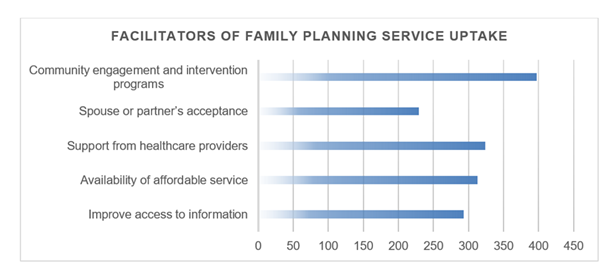
Figure 1: Facilitators of family planning service uptake.
Figure 1 presented a comprehensive analysis of the facilitators that significantly contributed to the uptake of family planning services. The data, derived from a sample size of respondents, highlighted several key factors that were instrumental in promoting these services. Firstly, the provision of access to information emerged as a vital facilitator, with respondents indicating that improved access to information played a critical role in their decision-making process regarding family planning. This underscored the importance of educational initiatives and resources that empowered individuals with knowledge about available options and the benefits of family planning. Secondly, the availability of affordable services was another crucial factor, with respondents acknowledging that cost-effective options significantly influenced their ability to engage with family planning services. This finding suggested that economic barriers posed a considerable challenge, and addressing these barriers through subsidized services or financial assistance could enhance service uptake. Support from healthcare providers was highlighted by respondents, indicating that the encouragement and guidance from medical professionals were essential in facilitating access to family planning services. This finding pointed to the need for training and resources for healthcare providers to ensure they could effectively support their patients in making informed choices about family planning. Moreover, the acceptance of family planning by spouses or partners was noted by respondents as a significant facilitator. This finding emphasized the role of interpersonal relationships and shared decision-making in the adoption of family planning methods, suggesting that interventions aimed at enhancing partner communication and acceptance could improve service uptake. Finally, community engagement and intervention programs were identified as the most influential factor, with respondents indicating that such initiatives significantly contributed to the uptake of family planning services. This finding illustrates the effectiveness of community-based approaches in raising awareness, reducing stigma, and fostering a supportive environment for individuals seeking family planning options. In summary, the data presented in Figure 1 indicates that a multifaceted approach, encompassing improved access to information, affordable services, provider support, partner acceptance, and community engagement, was essential in enhancing the uptake of family planning services. These insights underscored the importance of addressing both individual and systemic factors to promote effective family planning initiatives.
3.1 Inferential statistics
|
Observed |
||||
|
Knowledge on family planning methods |
||||
|
No |
Yes |
Grand Total |
||
|
Marital status |
Cohabiting |
9 |
25 |
34 |
|
Married |
10 |
239 |
249 |
|
|
Separated/divorce |
3 |
32 |
35 |
|
|
Single |
43 |
102 |
145 |
|
|
Widow |
3 |
16 |
19 |
|
|
Grand Total |
68 |
414 |
482 |
|
|
Expected |
||||
|
No |
Yes |
Grand Total |
||
|
Marital status |
Cohabiting |
4.797 |
29.203 |
34 |
|
Married |
35.129 |
213.871 |
249 |
|
|
Separated/divorce |
4.938 |
30.062 |
35 |
|
|
Single |
20.456 |
124.544 |
145 |
|
|
Widow |
2.680 |
16.320 |
19 |
|
|
Grand Total |
68 |
414 |
482 |
|
p-value = 3.141 x 10⁻¹¹
Table 10: Chi-square test of association between marital status and knowledge of family planning methods.
The chi-square test of association conducted to analyze the relationship between knowledge of family planning methods and marital status, as presented in Table 10, yielded a highly significant p-value of 3.141 x 10⁻¹¹. This result indicated a robust association between the two variables, suggesting that an individual's marital status significantly influenced their knowledge of family planning methods. The observed frequencies demonstrated that married individuals exhibited a markedly higher level of knowledge, with 239 out of 249 indicated familiarity with family planning methods, compared to those who were cohabiting, separated/divorced, single, or widowed. This trend was further supported by the expected frequencies, which highlighted a disparity between actual knowledge levels and what would be anticipated under the null hypothesis of no association. Similarly, the chi-square test of association between educational level and knowledge of family planning methods, as outlined in Table 11, produced a significant p-value of 4.864 x 10⁻⁵. This finding suggested that educational attainment played a crucial role in shaping individuals' knowledge regarding family planning. The data indicated a clear trend where individuals with higher levels of education, especially those with secondary and tertiary education, demonstrated a greater awareness of family planning methods. In contrast, those with no formal education and primary education displayed significantly lower knowledge levels, as evidenced by the observed frequencies. The expected frequencies in this analysis further corroborated these findings, revealed that the knowledge of family planning methods varied substantially based on educational background. In summary, the analyses from both tables underscored the importance of marital status and educational attainment in influencing knowledge about family planning methods. The significant p-values from the chi-square tests reflected a strong association, suggesting that interventions aimed at increasing awareness and understanding of family planning should consider these demographic factors to be more effective.
|
Observed |
||||
|
Knowledge on family planning methods |
||||
|
No |
Yes |
Grand Total |
||
|
Educational level |
No formal education |
4 |
7 |
11 |
|
Primary education |
11 |
20 |
31 |
|
|
Secondary education |
36 |
196 |
232 |
|
|
Tertiary education |
17 |
191 |
208 |
|
|
Grand Total |
68 |
414 |
482 |
|
|
Expected |
||||
|
No |
Yes |
Grand Total |
||
|
Educational level |
No formal education |
1.552 |
9.448 |
11 |
|
Primary education |
4.373 |
26.627 |
31 |
|
|
Secondary education |
32.730 |
199.270 |
232 |
|
|
Tertiary education |
29.344 |
178.656 |
208 |
|
|
Grand Total |
68 |
414 |
482 |
|
p-value = 4.864 x 10⁻⁵
Table 11: Chi-square test of association between education and knowledge of family planning methods.
|
Observed |
||||
|
Attitude towards family planning services |
||||
|
Negative |
Positive |
Grand Total |
||
|
Age |
15-24 yrs |
17 |
84 |
101 |
|
25-34 yrs |
7 |
133 |
140 |
|
|
35-44 yrs |
16 |
111 |
127 |
|
|
45-59 yrs |
7 |
52 |
59 |
|
|
60 yrs and above |
4 |
10 |
14 |
|
|
Grand Total |
51 |
390 |
441 |
|
|
Expected |
||||
|
Negative |
Positive |
Grand Total |
||
|
Age |
15-24 yrs |
11.680 |
89.320 |
101 |
|
25-34 yrs |
16.190 |
123.810 |
140 |
|
|
35-44 yrs |
14.687 |
112.313 |
127 |
|
|
45-59 yrs |
6.823 |
52.177 |
59 |
|
|
60 yrs and above |
1.619 |
12.381 |
14 |
|
|
Grand Total |
51 |
390 |
441 |
|
p-value = 0.0126
Table 12: Chi-square test of association between age and attitude towards family planning services.
|
Observed |
||||
|
|
Family planning users and non-users |
|||
|
|
Non-users |
Users |
Grand Total |
|
|
Barriers faced by spouse or partners |
Cost involvement in the procedure |
66 |
86 |
152 |
|
FP commodities are always not available |
19 |
20 |
39 |
|
|
Provider attitude or bias |
10 |
20 |
30 |
|
|
Lack of information on FP methods |
124 |
107 |
231 |
|
|
Distance to FP clinic or point |
34 |
75 |
109 |
|
|
Time involvement in the procedure |
65 |
61 |
126 |
|
|
social, cultural and religious factors |
100 |
62 |
162 |
|
|
Grand Total |
418 |
431 |
849 |
|
|
Expected |
||||
|
|
Non-users |
Users |
Grand Total |
|
|
Barriers faced by spouse or partners |
Cost involvement in the procedure |
74.836 |
77.164 |
152 |
|
FP commodities are always not available |
19.201 |
19.799 |
39 |
|
|
Provider attitude or bias |
14.770 |
15.230 |
30 |
|
|
Lack of information on FP methods |
113.731 |
117.269 |
231 |
|
|
Distance to FP clinic or point |
53.665 |
55.335 |
109 |
|
|
Time involvement in the procedure |
62.035 |
63.965 |
126 |
|
|
social, cultural and religious factors |
79.760 |
82.240 |
162 |
|
|
Grand Total |
418 |
431 |
849 |
|
p-value = 2.023 x 10⁻⁵
Table 13: Chi-square test of association between users/non-users and barriers faced by spouse or partners.
Table 12 presented the results of a chi-square test of association between age and attitudes towards family planning services. The analysis revealed a statistically significant association, as indicated by a p-value of 0.0126, suggesting that attitudes towards family planning services varied across different age groups. The observed frequencies indicated that younger individuals, specifically those aged 15-24 years, expressed a predominantly positive attitude towards family planning services, with 84 out of 101 individuals in that age group recording a positive response. Conversely, older age groups, particularly those aged 45-59 years and 60 years and above, exhibited a more negative attitude, with 7 and 4 individuals, respectively, responding negatively. The expected frequencies further elucidated the disparities in attitudes across age groups. For instance, the expected frequency for negative attitudes among those aged 15-24 years was approximately 11.680, while the actual observed frequency was 17, indicated a higher-than-expected negative perception in this group. In contrast, those aged 25-34 years had an expected frequency of 16.190 for negative attitudes but showed a significantly lower observed frequency of 7. Overall, the chi-square test underscored that age played a critical role in shaping attitudes towards family planning services, with younger individuals demonstrating a more favourable outlook compared to their older counterparts. This finding highlighted the necessity for targeted educational and outreach efforts tailored to different age demographics in order to improve perceptions and utilization of family planning services.
|
ANOVA |
df |
SS |
MS |
F |
Significance F |
||
|
Regression |
5 |
5.160788 |
1.032158 |
4.26243 |
0.000841 |
||
|
Residual |
476 |
115.2645 |
0.242152 |
||||
|
Total |
481 |
120.4253 |
|||||
|
Coefficients |
Standard Error |
t Stat |
P-value |
Lower 95% |
Upper 95% |
Lower 95.0% |
|
|
Intercept |
1.649328 |
0.127072 |
12.97951 |
3.41 x 10⁻³³ |
1.399637 |
1.899019 |
1.399637 |
|
Age |
0.013935 |
0.021724 |
0.641428 |
0.521554 |
-0.02875 |
0.056622 |
-0.02875 |
|
Gender |
-0.07791 |
0.04755 |
-1.63857 |
0.101963 |
-0.17135 |
0.01552 |
-0.17135 |
|
Marital status |
-0.08528 |
0.020761 |
-4.10742 |
4.71 x 10⁻⁵ |
-0.12607 |
-0.04448 |
-0.12607 |
|
Educational level |
0.028017 |
0.036902 |
0.759225 |
0.448094 |
-0.04449 |
0.100528 |
-0.04449 |
|
Occupation |
-0.00166 |
0.027253 |
-0.06088 |
0.951482 |
-0.05521 |
0.051892 |
-0.05521 |
Table 15: Logistic regression analysis of factors demographic variables influencing family planning service utilization.
In Table 14, the chi-square test of association was conducted to examine the relationship between family planning users and non-users in relation to various barriers faced by their spouses or partners. The analysis revealed significant differences in the barriers identified by users and non-users, as indicated by a p-value of 2.023 x 10⁻⁵, which suggested a strong association between the two groups. The observed frequencies of barriers varied notably between family planning users and non-users. For instance, the barrier related to the cost involvement in the procedure was reported by 66 non-users and 86 users, highlighted that financial constraints were a concern for both groups, but were perceived less acutely by non-users. Similarly, the availability of family planning commodities was noted by 19 non-users and 20 users, indicated that this barrier was relatively minor for both categories. However, more pronounced disparities emerged regarding the lack of information on family planning methods, where 124 non-users reported this barrier compared to 107 users. This finding underscored a critical area of concern, suggesting that non-users were significantly more likely to feel uninformed about family planning options, which could impede their access to services. Other barriers, such as provider attitude or bias and social, cultural, and religious factors, also exhibited differences between the two groups. For example, 100 non-users cited social, cultural, and religious factors as a barrier, compared to 62 users, indicating that these factors were perceived as more restrictive by non-users. Overall, the chi-square test results indicated that various barriers affected the decision-making process regarding family planning services, with notable differences in perceptions between users and non-users. These findings suggested that targeted interventions could be essential in addressing the specific barriers faced by non-users, particularly in terms of enhancing information dissemination and addressing cultural sensitivities.
In the analysis presented in Table 15, a logistic regression was conducted to explore the relationship between various independent variables—namely age, gender, marital status, educational level, and occupation—and the likelihood of individuals being classified as users or non-users of planning services. The dependent variable was dichotomous, indicated whether an individual utilized planning services or not. The results from the ANOVA section indicated that the overall model was statistically significant, with a p-value of 0.000841, suggested that the independent variables collectively had a meaningful effect on the dependent variable. The F-statistic of 4.26243 demonstrated that the variance explained by the regression model was significantly greater than the variance attributed to the residuals. Examining the coefficients of the independent variables revealed varying relationships with the likelihood of using planning services. The intercept was significant (p < 0.0001), suggesting a baseline propensity for service utilization when all independent variables were held constant. Among the independent variables, marital status emerged as a significant predictor of service usage, with a coefficient of -0.08528 (p = 4.71 x 10⁻⁵). This indicated that individuals who were married were most likely to use planning services compared to their unmarried counterparts, as evidenced by the negative coefficient. The confidence interval, further confirming the robustness of this finding. In contrast, age (coefficient = 0.013935; p = 0.521554), gender (coefficient = -0.07791; p = 0.101963), educational level (coefficient = 0.028017; p = 0.448094), and occupation (coefficient = -0.00166; p = 0.951482) did not demonstrate statistically significant relationships with the dependent variable. Notably, the p-values for these predictors were above the conventional threshold of 0.05, indicated a lack of evidence to suggest that they had a meaningful impact on the likelihood of using family planning services. In summary, while the overall logistic regression model was significant, it was primarily the marital status variable that significantly influenced the likelihood of individuals being users of planning services. The findings underscored the importance of considering socio-demographic factors in understanding service utilization patterns, though other factors such as age, gender, education, and occupation did not exhibit significant effects in this analysis.
|
ANOVA |
|||||||
|
df |
SS |
MS |
F |
Significance F |
|||
|
Regression |
2 |
20.61049 |
10.30525 |
49.45371 |
2.99 x 10⁻²⁰ |
||
|
Residual |
479 |
99.81482 |
0.208382 |
||||
|
Total |
481 |
120.4253 |
|||||
|
Coefficients |
Standard Error |
t Stat |
P-value |
Lower 95% |
Upper 95% |
Lower 95.0% |
|
|
Intercept |
2.073075 |
0.071262 |
29.09077 |
6.4 x 10-108 |
1.93305 |
2.213101 |
1.93305 |
|
Are you aware of any family planning methods? |
-0.37372 |
0.066388 |
-5.62928 |
3.09 x 10⁻⁸ |
-0.50417 |
-0.24327 |
-0.50417 |
|
Do you believe that family planning is beneficial for individuals and families? |
-0.10348 |
0.021034 |
-4.91951 |
1.19 x 10⁻⁶ |
-0.14481 |
-0.06215 |
-0.14481 |
Table 16: logistic regression analysis of awareness and benefits of family planning services.
|
ANOVA |
|||||||
|
df |
SS |
MS |
F |
Significance F |
|||
|
Regression |
2 |
42.12952 |
21.06476 |
128.8705 |
1.65 x 10-45 |
||
|
Residual |
479 |
78.29579 |
0.163457 |
||||
|
Total |
481 |
120.4253 |
|||||
|
Coefficients |
Standard Error |
t Stat |
P-value |
Lower 95% |
Upper 95% |
Lower 95.0% |
|
|
Intercept |
0.488888 |
0.078946 |
6.192704 |
1.27 x 10⁻⁹ |
0.333765 |
0.64401 |
0.333765 |
|
Have you ever discussed family planning with your spouse or partner? |
0.57131 |
0.037684 |
15.16034 |
1.09 x 10-42 |
0.497262 |
0.645357 |
0.497262 |
|
What is your general attitude towards family planning? |
0.038538 |
0.0191 |
2.017703 |
0.044179 |
0.001008 |
0.076069 |
0.001008 |
Table 17: logistic regression analysis of attitudes towards family planning services.
In the analysis presented in Table 16 and 17, logistic regression was employed to examine the influence of awareness, perceived benefits and attitudes of family planning services on the likelihood of being a user or non-user of these services. The dependent variable in this analysis was the status of individuals as users or non-users of family planning services, while the independent variables encompassed awareness of family planning methods, beliefs regarding their benefits and attitudes towards family planning services. The results of the regression analysis indicated that awareness of family planning methods had a statistically significant but with a negative effect on the likelihood of being a non-user. The coefficient for the awareness variable was -0.37372, with a p-value of 3.09 x 10⁻⁸, suggested that individuals who were aware of family planning methods were significantly more likely to utilize these services. This finding underscored the importance of awareness in promoting the adoption of family planning practices, highlighted the need for educational initiatives aimed at increasing knowledge of available methods. In addition, the belief in the benefits of family planning services also emerged as a significant predictor in the regression model. The corresponding coefficient for this variable was -0.10348, with a p-value of 1.19 x 10⁻⁶. This result indicated that individuals who recognized the advantages of family planning for both individuals and families were less likely to be non-users. The findings from Table 16 collectively suggested that both awareness and perceived benefits play critical roles in influencing the utilization of family planning services. Table 17 further explored the relationship between attitudes toward family planning and the likelihood of being a user or non-user. The analysis revealed that having discussed family planning with a spouse or partner had a strong positive association with being a user, with a coefficient of 0.57131 and an exceptionally low p-value of 1.09 x 10-42. This result emphasized the significance of interpersonal communication and support in fostering positive attitudes towards family planning, thereby enhancing service utilization. Moreover, the general attitude towards family planning exhibited a positive correlation with being a user of these services, as indicated by a coefficient of 0.038538 and a p-value of 0.044179. Although this effect was less pronounced than that of the discussion variable, it still suggested that favourable attitudes towards family planning contributed to an increased likelihood of service utilization. In summary, the analyses in Tables 16 and 17 provided compelling evidence that both awareness and attitudes toward family planning significantly influenced the likelihood of individuals being users of these services. The findings highlighted the critical role of education, communication, and positive belief systems in promoting the adoption of family planning practices.
4. Discussion
4.1 Understanding demographic actors in family planning services
The demographic characteristics of the respondents in the study provided a comprehensive overview of the sample population, which comprised 430 individuals. The age distribution revealed a varied representation, with the largest proportion of respondents falling within the 25-34 years age bracket, accounting for 32% of the participants. This was followed by those aged 35-44 years, who represented 28% of the sample. Younger individuals aged 15-24 years constituted 23%, while older age groups showed a decline in representation, with only 14% of respondents aged 45-59 years and a minimal 3% aged 60 years and above. In terms of gender, the sample exhibited a predominant female representation, with 65% of respondents identifying as female compared to 35% who identified as male. This significant female majority may reflect broader societal trends in the region, possibly indicating higher engagement or willingness among women to participate in studies related to family planning. Marital status analysis revealed that over half of the respondents were married (52%), indicating a significant proportion of individuals in stable relationships. Single respondents comprised 30%, while cohabiting individuals accounted for 7%. Additionally, 7% of participants were separated or divorced, and 4% identified as widows, reflecting a diverse range of marital experiences within the sample. The educational level of respondents demonstrated noteworthy trends, with nearly half (48%) having completed secondary education, while 43% attained tertiary education. Only 2% reported having no formal education, and 7% had completed primary education. This educational attainment could have implications for the respondents' understanding and engagement with family planning services, as higher education levels are often associated with increased awareness and utilization of health services. The occupational status of the respondents illustrated a mix of employment types, with the largest segment, 47%, identifying as self-employed, while 29% reported being gainfully employed. Conversely, 24% of respondents were unemployed, highlighting potential economic challenges faced by a notable portion of the population. This unemployment rate may have influenced access to and uptake of family planning services, as economic stability often affects individuals’ ability to seek out such services. The analysis of facilitators that contributed to the uptake of family planning services, as presented in Figure 1, revealed several key factors. Firstly, improved access to information emerged as a vital facilitator, underscoring the importance of educational initiatives and resources in empowering individuals with knowledge about available family planning options. Secondly, the availability of affordable services was recognized as a crucial factor, with respondents acknowledging that cost-effective options significantly influenced their ability to engage with family planning services. This finding suggested that economic barriers posed considerable challenges and that addressing these barriers through subsidized services or financial assistance could enhance service uptake. Support from healthcare providers was highlighted by respondents as essential in facilitating access to family planning services. This finding pointed to the need for training and resources for healthcare providers to ensure they could effectively support their patients in making informed choices about family planning. Furthermore, the acceptance of family planning by spouses or partners was noted as a significant facilitator, emphasizing the role of interpersonal relationships and shared decision-making in the adoption of family planning methods. Lastly, community engagement and intervention programs were identified as the most influential factor, with respondents indicating that such initiatives significantly contributed to the uptake of family planning services. This finding illustrated the effectiveness of community-based approaches in raising awareness, reducing stigma, and fostering a supportive environment for individuals seeking family planning options.
4.2 Understanding knowledge, attituded and practice of family planning services
The results of the chi-square tests conducted to analyze the relationships between demographic factors and knowledge of family planning methods, attitudes towards family planning services, and perceived barriers to access provided compelling insights into the complexities surrounding family planning in the studied population. In the analysis of marital status and knowledge of family planning methods, the chi-square test yielded a highly significant p-value of 3.141 x 10⁻¹¹. This indicated a robust association, suggested that marital status substantially influenced an individual's familiarity with family planning methods. The observed frequencies revealed that a significant majority of married individuals—239 out of 249—demonstrated knowledge of these methods, in stark contrast to cohabiting, separated/divorced, single, or widowed individuals. The expected frequencies further substantiated these findings, indicating a clear disparity between actual knowledge levels and those anticipated under the null hypothesis of no association. This highlighted the importance of marital context in shaping individuals' understanding of family planning, suggesting that married individuals might have greater access to information or motivation to engage with this subject. Similarly, the association between educational level and knowledge of family planning methods was confirmed through a significant p-value of 4.864 x 10⁻⁵. The results illustrated a clear trend: individuals with higher educational attainment, particularly those with secondary and tertiary education, exhibited a greater awareness of family planning methods. Conversely, those with no formal education or only primary education demonstrated markedly lower levels of knowledge. The observed and expected frequencies in this analysis corroborated these findings, emphasizing the critical role education plays in influencing individuals' understanding of family planning. These results underscored the need for targeted educational interventions, particularly aimed at individuals with lower educational backgrounds, to enhance knowledge and awareness of family planning options. The chi-square test that assessed the relationship between age and attitudes towards family planning services also yielded significant results, with a p-value of 0.0126. The analysis indicated that attitudes varied notably across different age groups, with younger individuals (aged 15-24 years) exhibiting a predominantly positive attitude towards family planning services. In contrast, older age groups, particularly those aged 45-59 years and 60 years and above, showed a more negative disposition towards these services. The observed frequencies highlighted a concerning trend; for example, while the expected frequency for negative attitudes in the younger cohort was approximately 11.680, the actual observed frequency was 17, indicating a higher-than-expected negative perception. This disparity suggested the necessity for targeted educational and outreach efforts that were tailored to different age demographics to improve perceptions and utilization of family planning services among older individuals. The analysis regarding barriers faced by family planning users and non-users, as detailed in Table 14, revealed significant differences between the two groups, with a p-value of 2.023 x 10⁻⁵ indicated a strong association. The findings indicated that financial constraints were a concern for both users and non-users, as evidenced by the reported barriers related to cost involvement. However, the data also revealed that non-users were significantly more likely to report a lack of information about family planning methods, with 124 non-users citing this barrier compared to 107 users. This underscored a critical area for intervention, as the knowledge gap among non-users could impede their access to family planning services. Additionally, barriers related to social, cultural, and religious factors were perceived more restrictively by non-users, indicating a need for culturally sensitive approaches to address these concerns. The analyses conducted through logistic regression provided insightful findings regarding the factors influencing the utilization of family planning services. The results from the first analysis, presented in Table 15, demonstrated that the overall model was statistically significant, as indicated by a p-value of 0.000841. This suggested that the independent variables—age, gender, marital status, educational level, and occupation—collectively had a meaningful impact on whether individuals were classified as users or non-users of planning services. The F-statistic of 4.26243 further reinforced this assertion by indicating that the variance explained by the regression model was significantly greater than the variance attributed to the residuals. Among the independent variables analyzed, marital status emerged as the sole significant predictor of service usage, with a coefficient of -0.08528 (p = 4.71 x 10⁻⁵). This indicated that married individuals were more likely to utilize planning services compared to their unmarried counterparts, as evidenced by the negative coefficient. The robustness of this finding was further supported by the confidence interval, underscoring the importance of marital status in understanding service utilization patterns. Conversely, the variables of age, gender, educational level, and occupation did not exhibit statistically significant relationships with the likelihood of using family planning services, given that their p-values exceeded the conventional threshold of 0.05. This indicated a lack of evidence to suggest that these socio-demographic factors had a meaningful impact on service usage. Subsequent analyses, as outlined in Tables 16 and 17, focused on the influence of awareness, perceived benefits, and attitudes towards family planning services. The results indicated that awareness of family planning methods had a statistically significant negative effect on the likelihood of being a non-user. Specifically, a coefficient of -0.37372 (p = 3.09 x 10⁻⁸) suggested that individuals who were aware of available family planning methods were significantly more likely to engage with these services. This finding highlighted the critical role of awareness in promoting the adoption of family planning practices and underscored the necessity for educational initiatives aimed at increasing knowledge of available methods. Furthermore, belief in the benefits of family planning services emerged as another significant predictor, with a coefficient of -0.10348 (p = 1.19 x 10⁻⁶). Individuals who recognized the advantages of family planning for both themselves and their families were less likely to be categorized as non-users. The collective findings from Table 16 indicated that both awareness and perceived benefits played pivotal roles in influencing the utilization of family planning services. Table 17 further examined the relationship between attitudes toward family planning and service usage. The analysis revealed that discussing family planning with a spouse or partner was strongly associated with being a user of these services, evidenced by a coefficient of 0.57131 and an exceptionally low p-value of 1.09 x 10-42. This result emphasized the importance of interpersonal communication and support in fostering positive attitudes towards family planning, thereby enhancing service utilization. Additionally, a positive general attitude towards family planning correlated with increased likelihood of service usage, as demonstrated by a coefficient of 0.038538 (p = 0.044179). Although this effect was less pronounced than that of the discussion variable, it nonetheless suggested that favourable attitudes contributed to a greater likelihood of engaging with family planning services. In summary, the analyses provided compelling evidence that awareness, perceived benefits, and attitudes significantly influenced the likelihood of individuals utilizing family planning services. These findings underscored the critical importance of education, communication, and positive belief systems in promoting the adoption of family planning practices, thereby contributing to a greater understanding of the socio-demographic and psychological factors that drive service utilization.
5. Conclusion
In conclusion, this study successfully explored the knowledge, attitudes, and practices surrounding family planning among urban dwellers in Bayelsa State, Nigeria. The research highlighted significant gaps in knowledge regarding contraceptive methods, which were particularly pronounced among specific demographic groups, including younger adolescents and unmarried individuals. Despite higher access to health facilities in urban areas, the findings revealed that structural barriers, such as transportation challenges, inconsistent supply chains, and socio-cultural norms, significantly impeded the uptake and sustained use of family planning services. The study also underscored the critical role of marital status and educational attainment in shaping individuals' knowledge and attitudes towards family planning. Married individuals exhibited a higher level of awareness and acceptance of family planning methods compared to their unmarried counterparts. Furthermore, education emerged as a pivotal factor influencing knowledge levels, with those possessing higher educational qualifications demonstrating greater familiarity with available family planning options. Attitudinal analysis indicated a generally positive disposition towards family planning services, with a substantial majority of respondents expressing favourable views. However, barriers to open discussions about family planning persisted, primarily due to perceived social stigma and a lack of information. The research noted that fear of judgment and a perceived lack of need were significant reasons for not engaging in conversations about family planning. Logistic regression analyses revealed that awareness of family planning methods and perceived benefits played critical roles in predicting service utilization. Additionally, the influence of supportive partner communication was highlighted as a significant facilitator of family planning uptake. The findings emphasized the necessity for targeted educational interventions and community engagement strategies that promote awareness and address cultural sensitivities. Overall, the study provided valuable insights into the multifaceted factors influencing family planning practices among urban populations in Bayelsa State. The implications of the findings suggested that effective family planning programs must adopt integrated approaches that consider the unique sociocultural dynamics and barriers present in urban settings. By addressing these challenges and leveraging facilitators, stakeholders could enhance the uptake and continuity of family planning services, ultimately contributing to improved reproductive health outcomes in the state.
6. Recommendations
Based on the findings of the study conducted among urban residents in Bayelsa State, the following recommendations were proposed to enhance family planning outcomes:
Enhancement of Educational Programs: It was recommended that targeted educational initiatives be developed to address the knowledge gaps identified in the study. These programs should focus on increasing awareness of the full range of family planning methods, their benefits, and potential side effects. Educational materials should be culturally sensitive and accessible, utilizing local languages to improve comprehension.
Community Engagement: The study highlighted the importance of community involvement in promoting family planning services. It was recommended that community leaders and influencers be engaged to advocate for family planning services, thereby helping to shift cultural norms and reduce stigma associated with contraception. Community-based campaigns could effectively raise awareness and encourage open discussions about family planning.
Improvement of Health Services: To address the systemic barriers identified, it was recommended that health services be strengthened through the training of healthcare providers in family planning counselling and support. Ensuring a reliable supply of contraceptives and expanding the availability of diverse methods in urban health facilities were also critical to enhance accessibility.
Promotion of Partner Involvement: The study underscored the role of partner support in family planning decision-making. Therefore, it was recommended that programs aimed at engaging men and promoting shared decision-making in reproductive health be developed. Workshops and counselling sessions involving both partners could foster a supportive environment for family planning.
Addressing Economic Barriers: Economic constraints were identified as a significant barrier to accessing family planning services. It was recommended that policies be put in place to subsidize the costs of contraceptives and family planning services, particularly for low-income individuals. Financial assistance programs could help alleviate the economic burden associated with accessing these services.
Utilization of Mass Media: The study indicated that mass media could be a powerful tool for disseminating information about family planning. It was recommended that local radio stations, television, and social media platforms be leveraged to broadcast accurate information and educational content regarding family planning options and benefits, targeting urban populations effectively.
Monitoring and Evaluation: Finally, it was recommended that ongoing monitoring and evaluation of family planning programs be established to assess their effectiveness and impact on urban residents. Regular assessments could help identify emerging barriers and facilitators, enabling timely adjustments to interventions and ensuring that they meet the needs of the community.
By implementing these recommendations, stakeholders aimed to improve the knowledge, attitudes, and practices surrounding family planning among urban residents in Bayelsa State, ultimately contributing to better reproductive health outcomes.
7. Acknowledgement
We would like to express our heartfelt gratitude to several individuals and organizations that contributed to the successful completion of this study. First and foremost, we extend our sincere appreciation to the Ethics Committee of the Bayelsa State Primary Health Care Board for their invaluable guidance and support throughout the research process. Their approval and oversight ensured that our study adhered to the highest ethical standards, safeguarding the rights and welfare of all participants involved. We also wish to acknowledge the community leaders who played a pivotal role in facilitating our engagement with local populations. Their willingness to support our efforts and promote the study within their communities significantly enhanced the trust and cooperation we received from participants, thereby enriching the quality of our data. Our deepest gratitude goes to the participants of this study, who generously shared their time, experiences, and insights. Their openness and willingness to discuss sensitive topics surrounding family planning were essential to the success of our research, and we are truly thankful for their contributions. Finally, we would like to recognize the dedicated data enumerators who worked diligently to collect the data for this study. Their professionalism, commitment, and attention to detail were instrumental in ensuring accurate and reliable data collection, enabling us to achieve the objectives of our research. Together, these contributions have greatly influenced our understanding of family planning among urban dwellers in Bayelsa State, and we are immensely grateful for the collaborative spirit that made this study possible.
8. Authors’ Contribution
Ebiakpor Bainkpo Agbedi made significant contributions throughout the research process, particularly in conceptualizing the research topic, developing the methodology, conducting data analysis, and writing the report. He played a pivotal role in framing the research questions and objectives, ensuring that they aligned with the overarching goal of exploring knowledge, attitudes, and practices of family planning among rural dwellers in Bayelsa State, Nigeria. His expertise guided the design of a robust methodology that included a cross-sectional survey and a multi-stage sampling technique, which effectively captured the diverse perspectives of the target population. Furthermore, Agbedi was instrumental in the data analysis phase, employing statistical tools to interpret the findings accurately and draw meaningful conclusions. His analytical skills ensured that the report was well-structured and presented the results in a coherent manner, emphasizing key insights and implications for family planning initiatives.
Mordecai Oweibia contributed significantly as the data curator, facilitating the organization and management of the data collected during the research. He was responsible for ensuring the integrity and accuracy of the data, which laid a solid foundation for subsequent analysis. Oweibia also played a crucial role in the crystallization of ideas, helping to refine and synthesize the findings into a cohesive narrative that highlighted the barriers and facilitators influencing family planning services. His involvement in report writing was essential, as he collaborated closely with Agbedi to ensure that the final document was comprehensive and reflective of the research objectives. Oweibia’s attention to detail and ability to articulate complex concepts clearly enhanced the overall quality of the report, making it a valuable contribution to the field of family planning research in the region. Together, both researchers' efforts culminated in a well-executed study that provided important insights into the dynamics of family planning among urban populations in Bayelsa State.
9. No Conflict of Interest
The authors of this study declared that there were no conflicts of interest related to the research conducted. Throughout the study, all financial, personal, and professional relationships were disclosed, and none were found to influence the outcomes or interpretations of the findings. The authors ensured that their work-maintained objectivity and integrity, adhering to ethical standards in research. There were no affiliations, funding sources, or other interests that could have compromised the impartiality of the study results or conclusions drawn.
References
- Dave-Agboola O. Health Communication: The Multidimensional Approach towards Increasing Family Planning Acceptance among Women of Reproductive Age in Lagos, South West, Nigeria (2021).
- Demand Creation Strategy (2011).
- Kumar J. How Does Quality of Care Relate to a Rights-Based Approach to Family Planning Programs? (2015).
- Human Rights-Based Approach to Family Planning: UNFPA Support Tool (2023).
- Butler AS, Wright E, Clayton E, et al. A Review of the HHS Family Planning Program: Mission, Management, and Measurement of Results. National Academies Press (2009).
- Wazir MA, Alazar YM, Kadirov B. Family Planning: Smartest Investment for Achieving the Sustainable Development Goals for Pakistan. Journal of Pakistan Medical Association 71 (2021): S12-S19.
- Alhaji MM, Balarabe MR, Atama D, et al. Motivators and Barriers to the Uptake of Digital Health Platforms for Family Planning Services in Lagos, Nigeria: A Mixed-Methods Study. Digital Health 11 (2025): 1-17.
- Bertrand JT, Ross J, Sullivan TM, et al. Contraceptive Method Mix: Updates and Implications. Global Health: Science and Practice 8 (2020): 666-679.
- Gahungu J, Vahdaninia M, Regmi PR. The Unmet Needs for Modern Family Planning Methods among Postpartum Women in Sub-Saharan Africa: A Systematic Review. Reproductive Health 18 (2021): 35-45.
- Kuhlmann AS, Gavin L, Galavotti C. The Integration of Family Planning with Other Health Services: A Literature Review. International Perspectives on Sexual and Reproductive Health 36 (2010): 189-196.
- Achyut P, Mishra A, Montana L, et al. Integration of Family Planning with Maternal Health Services: An Opportunity to Increase Postpartum Modern Contraceptive Use in Urban Uttar Pradesh, India. Journal of Family Planning and Reproductive Health Care 42 (2016): 107-115.
- Esievoadje ES, Odimegwu CL, Agoyi MO, et al. Accessibility and Utilization of Family Planning Services in Nigeria during the COVID-19 Pandemic. Nigerian Journal of Medicine 31 (2022): 133-137.
- Ezirim EO, Omole OR, Akwuruoha EM, et al. Factors Influencing Family Planning Services among Rural Women in Nigeria. International Journal of Research and Reports in Gynaecology 6 (2023): 54-66.
- Anyona J, Juma I, Kamau V. Family Planning Supply Chain Assessment in Nigeria (2025).
- Metzger AM, Bormet M. Family Planning and Reproductive Health Supply Stockouts: Problems and Remedies for Faith-Based Health Facilities in Africa. Christian Journal for Global Health 4 (2017).
- Afe AJ, Emmesowum E, Omosehin O, et al. Impact of Family Planning Logistic Management Models on Uptake of Contraceptives in Selected States in Nigeria. World Journal of Advanced Research and Reviews 13 (2022): 210-218.
- FP Commodity Financing in Nigeria: Overview of the CIFF/UNFPA Grant and Project (2025).
- Nyangara FM, Hai T, Zalisk K, et al. Assessment of Data Quality and Reporting Systems for Underserved Populations in Nigeria. Health Policy and Planning 33 (2018): 465-473.
- Sources of Family Planning in Nigeria (2019).
- Akpamu U, Osifo UC, Nwaopara AO, et al. Source of Information on Family Planning among Married Men in Ekpoma, Edo State, Nigeria. Global Journal of Medical Sciences 8 (2009): 1-5.
- Dehlendorf C, Krajewski C, Borrero S. Contraceptive Counseling: Best Practices to Ensure Quality Communication and Enable Effective Contraceptive Use. Clinical Obstetrics and Gynecology 57 (2014): 659-673.
- Bankole A. The Role of Mass Media in Family Planning Promotion in Nigeria (1994).
- Adedini SA, Babalola S, Ibeawuchi C, et al. Role of Religious Leaders in Promoting Contraceptive Use in Nigeria. Global Health: Science and Practice 6 (2018): 500-514.
- Dudusola IH, Majority PO. Communication as an Antidote to Cultural and Religious Barriers in Family Planning in Delta State. Direct Research Journal of Social Science and Educational Studies 13 (2025): 108-115.
- Ojo OY, Ayowole DJ, Ojo AI, et al. Influence of Partner’s Support and Communication on Family Planning Method Preferences among Women in a Nigerian Healthcare Facility. Discover Public Health 22 (2025).
- Aniwada E, James O, Uchenna O, et al. Knowledge, Perception and Misconceptions on Family Planning among Women Living in an Urban Slum in Enugu State, Nigeria. Asian Journal of Medicine and Health 3 (2017): 1-10.
- Mark A. Knowledge, Barriers and Factors Affecting the Use of Family Planning Methods among Couples Accessing Care in Akwa Ibom State, Nigeria. Frontline Professionals Journal 1 (2024): 141-160.
- Zia Y, Etyang L, Mwangi M, et al. The Effect of Stigma on Family Planning and HIV Pre-Exposure Prophylaxis Decisions of Young Women in Kenya. AIDS and Behavior 28 (2024): 1834-1844.
- Knowledge, Beliefs, Attitudes, and Self-Efficacy: Strengthening an Individual’s Ability to Achieve Reproductive Intentions. Family Planning High Impact Practices (2022): 1-9.
- Esther OA, Bidemi AA, Adetumi SA. Knowledge, Attitude and Uptake of Family Planning among Adolescent Girls in Rural and Urban Areas of FCT, Nigeria. Texila International Journal of Public Health 10 (2022).
- Innocent A, Sunday Y, MA MM. Knowledge, Attitude and Uptake of Family Planning Services among Women of Reproductive Age in Edo State, Nigeria. Journal of Public Health and Epidemiology 11 (2019): 63-70.
- Adaki AY, Nsofor JO. Uncovering the Barriers Faced by Women in Utilizing Family Planning Services in Taraba State, Nigeria. International Journal of Current Researches in Sciences, Social Sciences and Languages 3 (2023).
- Amiesimaka OI, Payam S. Family Planning Policy and Gender in Nigeria: A Thematic Analysis. Sociology of Health and Illness 47 (2025): 1-20.
- Wambete SN, Serwaa D, Dzantor EK, et al. Determinants for Male Involvement in Family Planning and Contraception in Kampala, Uganda. PLOS Global Public Health 4 (2024).
- Kassim M, Ndumbaro F. Factors Affecting Family Planning Literacy among Women in Rural Tanzania. BMC Public Health 22 (2022).
- Nguyen M. Education and Reproductive Empowerment: How Schooling Shapes Women’s Contraceptive Use and Fertility Intention in LMICs. International Journal of Educational Development 115 (2025): 103287.
- Kehinde A, Ruth A, Rasak A, et al. Differences of Unmet Need for Family Planning in Rural-Urban Areas among Women in Nigeria. Journal of Advance Medicine and Medical Research 37 (2025): 1-13.
- Adebola OG, Ewemooje OS, Adediran AA, et al. Examining the Role of Significant Others in Shaping Family Planning Decisions among Ever-Married Women in Nigeria. Women and Health 65 (2025): 694-705.